Write a guide on Routine as a simple alternative to ClickUp & Asana
By Taylor
Routine centralizes tasks, meetings, notes, and time blocking—an AI-powered, simpler alternative to ClickUp and Asana.
Why “simpler than ClickUp or Asana” has become a real need
ClickUp and Asana are strong project management platforms, especially when you’re running cross-functional work with lots of dependencies, dashboards, and reporting. But many ambitious professionals and small teams don’t fail because they lack features—they fail because their work is scattered across too many places. Tasks live in one app, meeting notes in another, timelines in a third, and messages and requests come from everywhere.
A “simple alternative” isn’t about doing less; it’s about reducing friction. The right tool should help you capture incoming work quickly, turn it into decisions, and protect time to execute—without turning your day into a maintenance job. That’s where Routine fits: it’s designed to centralize tasks, meetings, projects, and notes into one source of truth, with AI support to reduce manual overhead.
What most people actually need (and what they don’t)
When people say they want to replace ClickUp or Asana, they’re often not asking for a fully equivalent feature set. In practice, they want a smaller number of “daily drivers”:
- A reliable capture flow for tasks and requests as they appear.
- A place where meetings and tasks connect so actions don’t get lost after a call.
- Time blocking to protect focus and avoid overcommitting.
- Lightweight structure that adapts to their workflow, not the other way around.
- Automation that removes repetitive admin (not more configuration).
What they usually don’t need on day one: deep portfolio reporting, complex permission hierarchies, or elaborate custom dashboards. Those are valuable later, but they can slow down adoption early. Routine is built for day-to-day execution first, while still offering flexible, customizable data models when you need more structure.
How Routine stays simple while still handling serious work
1) A universal inbox for real life (not idealized workflows)
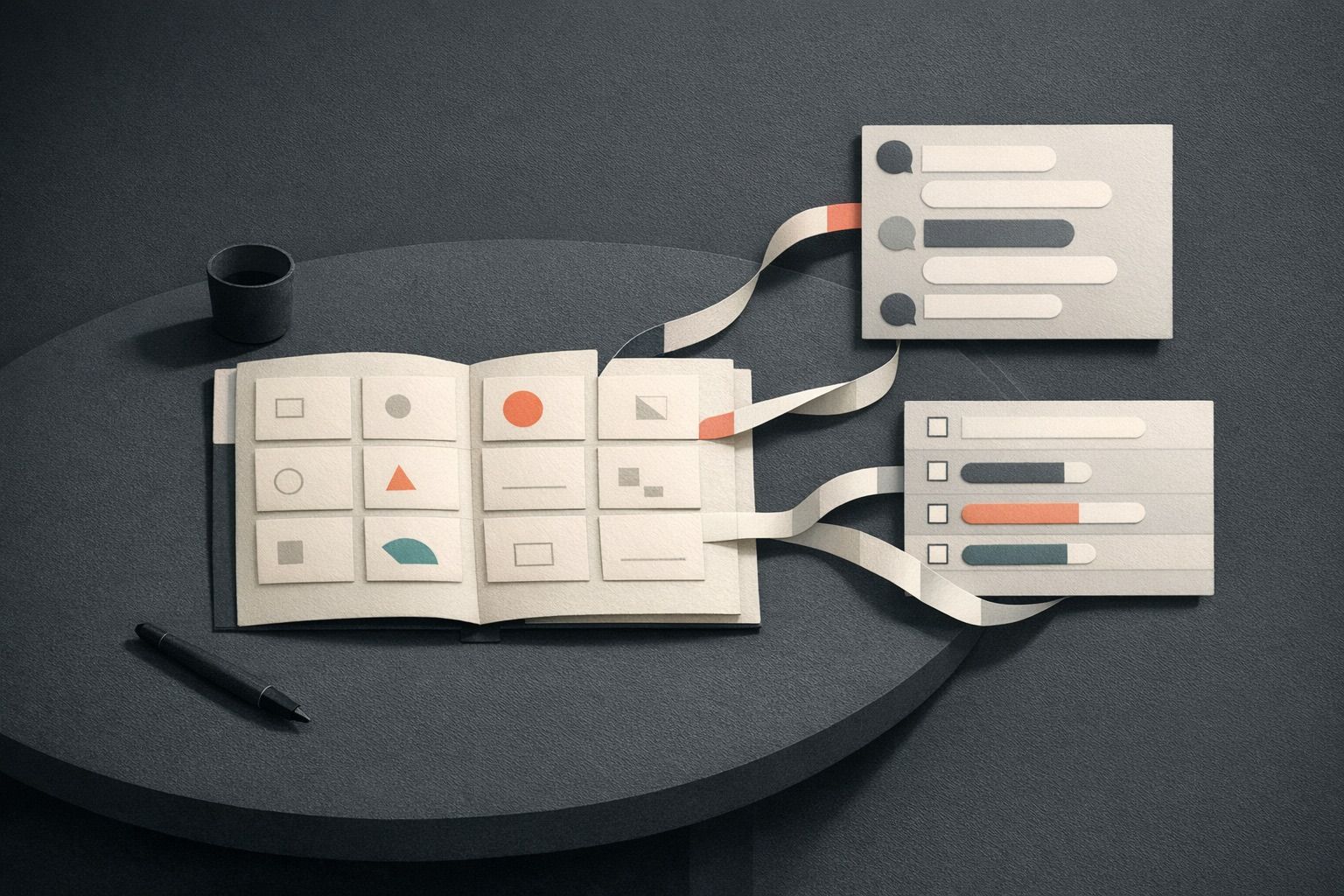
Work doesn’t arrive in neat project plans. It arrives as notes from meetings, quick messages, scattered follow-ups, and half-formed ideas. Routine’s approach is to consolidate what’s coming in so you can process it consistently. The goal is fewer places to check and fewer opportunities for tasks to disappear.
Instead of treating tasks as isolated objects, Routine encourages you to connect them to the context they came from—especially meetings and notes—so execution feels continuous rather than fragmented.
2) Meetings, notes, and tasks in the same loop
One reason ClickUp or Asana can feel “heavy” for individuals is that meetings often live outside the system. The actions that come out of those meetings then need to be re-entered, assigned, and tracked—often manually. Routine treats meetings and notes as first-class parts of the workflow.
This is where the “simple alternative” becomes practical: if your task list automatically reflects what happened in meetings (and your notes link back to the work), you reduce the admin tax that makes large project tools feel burdensome for smaller teams or fast-moving roles.
3) Time blocking that respects your calendar constraints
Many teams track work in ClickUp or Asana but still struggle to ship because the calendar is uncontrolled. Routine emphasizes time blocking so planned work actually gets time on your schedule. This shifts you from “I have a list” to “I have a plan,” which is often the missing step between task management and real output.
Time blocking also makes trade-offs visible. If you can’t fit everything into the week, Routine helps you see that earlier and adjust expectations—before the backlog becomes a source of stress.
4) AI that removes busywork (without changing how you think)
AI only helps when it reduces friction, not when it adds another layer to manage. Routine uses AI to assist with high-frequency chores that steal attention: summarizing meeting notes, helping organize items quickly (including via voice-assisted input), and supporting process automation when work repeats.
The practical outcome is not “more AI features,” but fewer manual steps between capturing work and acting on it. That’s a key difference between a tool that feels simple and one that simply has fewer buttons.
5) Customizable data models when you need structure
Simplicity shouldn’t mean being locked into a single way of working. Routine can stay light for personal productivity while still accommodating team workflows through customizable data models. That means you can keep the interface clean day to day, yet still model the information your team cares about—without migrating to a heavier platform the moment complexity increases.
Routine vs ClickUp vs Asana: a practical comparison
Rather than debating which tool is “better,” it helps to match the platform to the job.
- ClickUp is often chosen when teams want a highly configurable workspace with extensive views and reporting. It can be powerful, but that power can come with ongoing setup and upkeep.
- Asana is frequently a strong fit for structured project tracking and collaboration, especially when projects and tasks are the center of the system.
- Routine is most compelling when your day is driven by a mix of meetings, personal execution, and cross-app inputs—and you want one place to turn that flow into a realistic schedule and a trusted task system.
If your biggest pain is coordination at scale, ClickUp or Asana may still be the right call. But if your biggest pain is that your work is scattered and your calendar is overloaded, Routine’s “single source of truth” approach is often the simpler path to consistent execution.
A simple setup that replaces complexity (without losing control)
Step 1: Centralize capture
Start by routing your incoming work into one place—tasks, notes, and meeting outputs. The win is not perfect organization; it’s reliability. If you trust that everything lands in Routine, your brain stops doing background “don’t forget” processing.
Step 2: Define a small set of projects or areas
Keep the structure minimal: a few projects, a few recurring areas (like “Operations,” “Clients,” or “Personal”). Avoid recreating a full ClickUp hierarchy on day one. You can always add depth later.
Step 3: Plan with time blocking
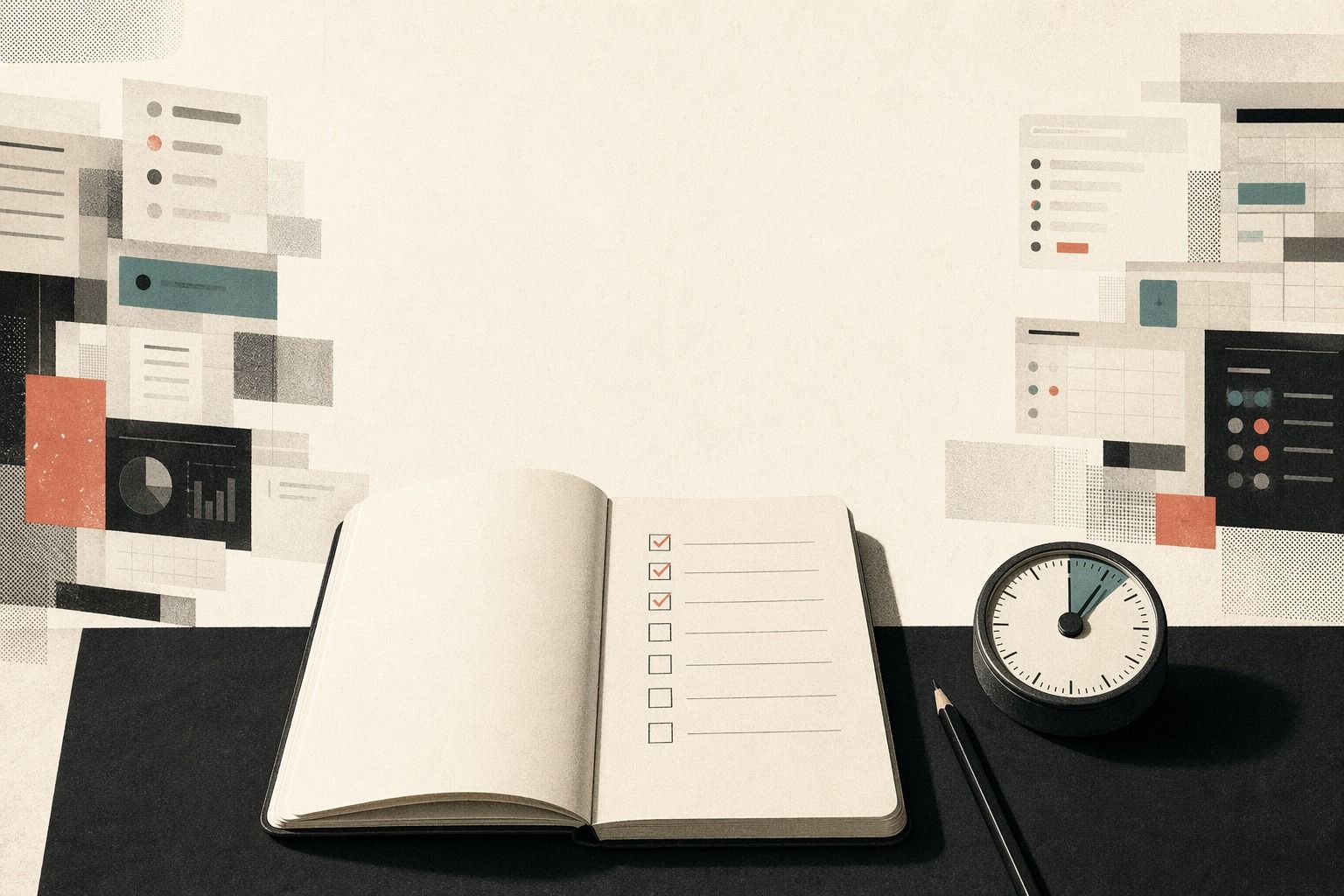
Choose a planning cadence (daily or weekly) and block time for the tasks that truly matter. This is the point where Routine becomes a daily operating system rather than a passive list.
Step 4: Use AI to keep the loop tight
Let AI handle the parts that typically break the chain—meeting summaries, quick organization, and repetitive process steps—so you spend less time maintaining the system and more time doing the work.
Who Routine is best for
- Ambitious professionals juggling meetings, tasks, and personal execution across multiple tools.
- Small teams that need clarity and speed without building a complex workspace.
- Managers and leads who want meeting outcomes to reliably turn into follow-through.
- Anyone tired of app-switching who wants a single place to plan and execute.
The core idea is straightforward: simplify the path from “input” (meetings, messages, notes) to “output” (scheduled work and completed tasks). Routine aims to do that while remaining flexible enough to grow with your workflow.
FAQ
How is Routine different from Asana for daily task management?
Routine connects tasks with meetings, notes, and time blocking in one place, so daily execution is planned on your calendar—not just tracked in a list like many Asana setups.
Can Routine replace ClickUp for a small team?
For small teams that mainly need a shared source of truth for tasks, meetings, and follow-ups, Routine can replace ClickUp with less setup. If you rely on heavy reporting and complex workspace configuration, you may keep ClickUp for those advanced needs.
Does Routine include time blocking and calendar-based planning?
Yes. Routine emphasizes time blocking so your priorities become scheduled work, helping prevent overcommitment and making trade-offs visible during weekly or daily planning.
What AI features in Routine actually save time?
Routine uses AI to reduce admin work such as meeting note summarization, faster organization (including voice-assisted input), and automation for repeatable processes—so follow-through requires fewer manual steps.
Is Routine only for work, or can it handle personal tasks too?
Routine is built to manage both personal and work commitments in one system, which is especially useful if you want a single place for meetings, tasks, and notes across multiple accounts.